
Zero Emission Flight
Zero emission aviation (ZEA) refers to flights that produce zero (or close-to zero) emissions at the tailpipe.
ZEAs are largely expected to comprise a mix of electric and hydrogen propulsion technologies, although it’s possible that other fuels, such as ammonia and methane, may be developed in the future. We use the term ‘ZEA’ here, but zero emission planes (ZEP), zero emission flight (ZEF) and low emission flight all tend to describe a similar umbrella of technologies. Fuels like sustainable aviation fuel (SAF) and power-to-liquid/e-fuels do not come under the ZEF umbrella as they produce the same tailpipe emissions as kerosene, with emissions savings occurring in the production process.
Despite numerous test flights, demonstrations and trials, there are currently no commercial ZEA flights in operation, a reminder of how far there is to go for ZEA to play a meaningful part in decarbonising aviation. Net-zero aviation trajectories typically only include a small proportion of emissions reductions from ZEA, with more emphasis on SAF and greenhouse gas removals.
How can ZEA help with decarbonisation?
Ultimately, producing zero emissions is better than producing net-zero emissions. This is because you can be sure that emissions are actually zero (tracing emissions reductions from SAF can be complicated). Emitting nothing is always preferable to emitting carbon and then having to take it back out of the atmosphere. This makes ZEA preferable for decarbonisation to other options such as offsets, SAF and e-fuels. Reducing total aviation emissions also decreases reliance on carbon removals technologies, which will be in high demand and come with their own risks and uncertainty.
Emitting nothing is always preferable to emitting carbon and then having to take it back out of the atmosphere
How do the different technologies stack up?
Currently there are three key technologies to look at for ZEA (although this may change and depends on who you ask): battery electric, hydrogen combustion and hydrogen fuel cells.
- Battery electric uses similar technology to the engine in an electric car: Short range, zero emissions, simpler infrastructure requirements
- Hydrogen fuel cells generate electricity from hydrogen on board, using this electricity in an electric motor: Longer range, low emissions (some water), hydrogen supply and infrastructure challenges
- Hydrogen combustion burns hydrogen in the engine in a similar way to jet fuel or petrol: Longer range, low emissions (some water and nox), hydrogen supply and infrastructure challenges
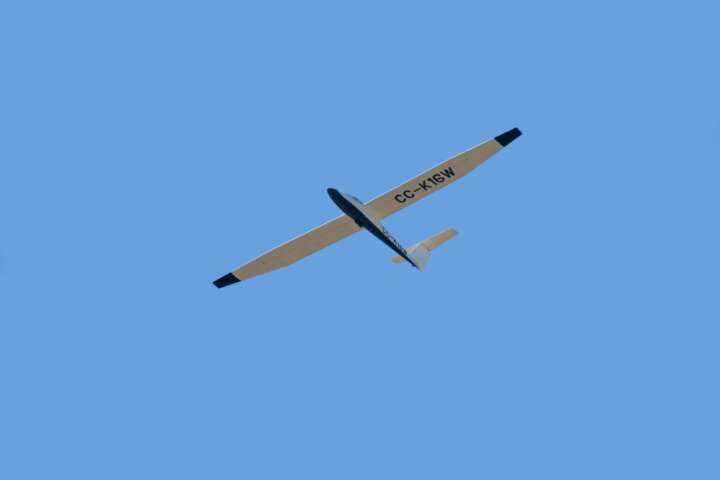
The infrastructure requirements, particularly for hydrogen powered flight, will have a major impact on the feasibility of using different technologies. For example, an exceptionally large amount of renewable energy is required to produce green hydrogen and hydrogen will need to be supplied to airports. Without this renewable supply, emissions in the hydrogen production phase will reduce the sustainability credentials of hydrogen powered flight. The major obstacle for electric flight is the tradeoff between battery weight and range – this means that electric flight is very likely to be limited to short-haul flights only in the medium term. This is problematic because the bulk of global aviation emissions come from long-haul flights. Hybrid engines, that partly burn kerosene alongside some ZEA propulsion, may be used to boost flight ranges.
What are the wider risks?
In terms of cutting the impact of aviation on the planet, the major risk of ZEA is that it won’t be developed in time, at the scale needed, and with the required ranges to replace a meaningful amount of kerosene powered air travel. As we’ve outlined before, a disproportionately large amount of emissions result from long-haul flights and one of the key issues for ZEA is the limited long-haul potential by 2050. Due to this uncertainty of deliverability and technical feasibility, ZEA largely isn’t included as a major component of any sector roadmaps to net-zero. This does in some ways limit the risks to pursuing its adoption as any emissions reductions from ZEA are likely to be additional to existing decarbonisation plans. On the flip side, the sector is almost entirely reliant on SAF and removals and any failure of these to deliver planned emissions reductions would have serious implications for achieving net-zero goals.
There is a major risk of diverting resources and attention towards ZEA technologies that end up failing to deliver. There is evidence that this has made it harder to deliver policy to reduce emissions harder (e.g. Are technology myths stalling aviation climate policy?). With the range of possible tech options, it is difficult to know where time, effort and resources are best spent.
What do we want to see?
- These risks can be limited with demand signals from airlines looking to buy ZEA planes and with effective government policy. Direct interventions from the government could include funding for trials and infrastructure as well as having a ZEA mandate or target, e.g. all domestic flights to be ZEA by 2040. Indirectly, any policy that places restrictions on kerosene e.g. a kerosene tax or banning hydrocarbon private jets, will naturally promote ZEA development.
- ZEA has the potential to offer larger reductions in local noise and air pollution impacts than other technology based solutions. Whilst demand management will always be the best way of limiting aviation’s environmental impact, any ZEA technology that reduces community impacts would be welcome. This consideration should play an important role in technology development.
- Considering how far the sector has to go to decarbonise, the picture of aviation post-2050 is rarely discussed, however ZEA offers a positive longer term vision for the future that the UK could lead on.