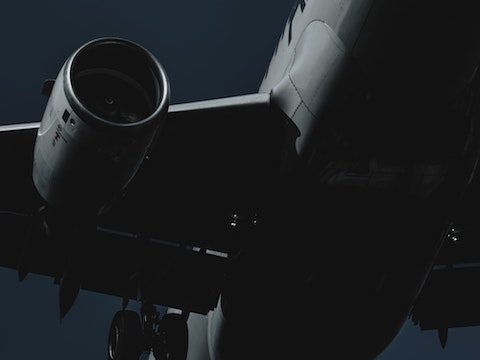
Aircraft noise
Aircraft noise: a long standing problem
Aircraft noise is usually the key environmental concern for communities impacted by aviation operations, whether it’s from major international airports, night-time freight operations, business aviation facilities, helicopters, airfields with repetitive activities like circuits or aerobatic practice, or the result of flightpath changes.
In the UK, over one million people are exposed to aircraft noise above levels recommended for the protection of health.
In recent years, the true health impacts of excessive environmental noise on our hearts, sleep cycles and stress levels have been better brought to light by the academic and medical community. Far from being a problem only for “noise sensitive” people, an increasing body of academic research in recent years is showing that noise impacts everyone’s health, whether we realise it or not.
The evidence suggests that more people are annoyed at lower levels of aircraft noise today than in the past, despite the introduction of relatively less noisy planes. The CAA’s 2014 study into attitudes towards aircraft noise showed the same percentage of respondents highly annoyed at 54dB Leq as were previously affected at 57dB Leq (in 1982).
Some researchers agree with the view of many communities that this could be, in part, related to the increase in the number of noise incidents experienced. While airport noise maps may show noise ‘contours’ shrinking over time there has been no evidence of a reduction in community concerns.
Changes in exposure as a result of flightpath changes or intensification of use also appear to be a significant factor in explaining community annoyance. This is particularly relevant given the current reorganisation of UK airspace to accommodate precision navigation being pursued as part of a Europe-wide reform of air traffic management. Given the greater accuracy of satellite-based navigation, flight paths have become narrower. This can have advantages and disadvantages: while it could lead to a decrease in the number of people overflown compared to a more dispersed approach, it tends to concentrate more flights over communities living directly under the flightpath.
Health impacts

Aircraft noise is a public health issue. It can impact memory and learning in children, disturb sleep, and is linked to long-term health problems including cardiovascular disease, stress and hypertension. A large scale study around Heathrow Airport found that people living under the flightpath were 10-20% more at risk of stroke and heart disease than those not living under the flight path. A large body of health evidence is reviewed in AEF’s 2016 report Aircraft Noise and Public Health: the Evidence is Loud and Clear.
Aircraft noise can impact memory and learning in children, disturb sleep, and cause serious long-term health problems including cardiovascular disease.
The World Health Organisation (Europe Region) issued its Environmental Health Guidelines in October 2018 which make specific health-based recommendations for limiting night and daytime exposure to aircraft noise.
What can be done
With the exception of Heathrow, Gatwick and Stansted, where the Secretary of State uses discretionary powers to impose noise regulations, most airports and airfields in the UK are regulated by the planning system, with variable results. Some airports have planning conditions or agreements limiting operating hours and numbers of movements for example, but others can operate under established use rights with few restrictions. In some cases, certain activities or developments can operate under deemed or temporary permissions that don’t even require a planning application. This means that many ongoing noise issues are dependent on local resolution between communities and airports.
We support the introduction of tougher noise standards for aircraft manufacturers (playing an active role in the UN ICAO’s Committee on Aviation Environmental Protection where these standards are set), as well as incentives and regulations to remove old, noisy technology from the fleet. However, we recognise that quieter aircraft are not a solution to aircraft noise pollution in themselves. We know that it’s not just individual aircraft noise events that are the problem – the issue can also be the frequency of those noise events. The Government’s Airspace Modernisation Strategy (AMS), a drive to increase efficiency and capacity in the UK’s airspace, will mean that in general, flights will be concentrated along narrow flight corridors. Some communities will experience an intensification of aircraft noise events, while others will be newly impacted.
AEF’s role
AEF is calling for the introduction of quantitative noise limits and targets including delivery of the WHO’s recommendations to protect health. We also support the introduction of quieter technologies through the imposition of tougher noise standards for manufacturers (we play an active role in the UN ICAO’s Committee on Aviation Environmental Protection where these standards are set), as well as incentives and regulations to remove old, noisy technology from the fleet. We provide a voice for communities on national policy matters, and currently attend the Department for Transport’s Airspace and Noise Engagement Group (ANEG) and its Airspace Strategy Board, which oversees the modernisation of UK airspace. We offer advice and support to our members and members of the public who are experiencing the mental and physical impacts of aircraft noise pollution.
